6 min read · Updated 2026-07-30
Bike Cover Buying Guide: Waterproof vs Dust-Proof Explained
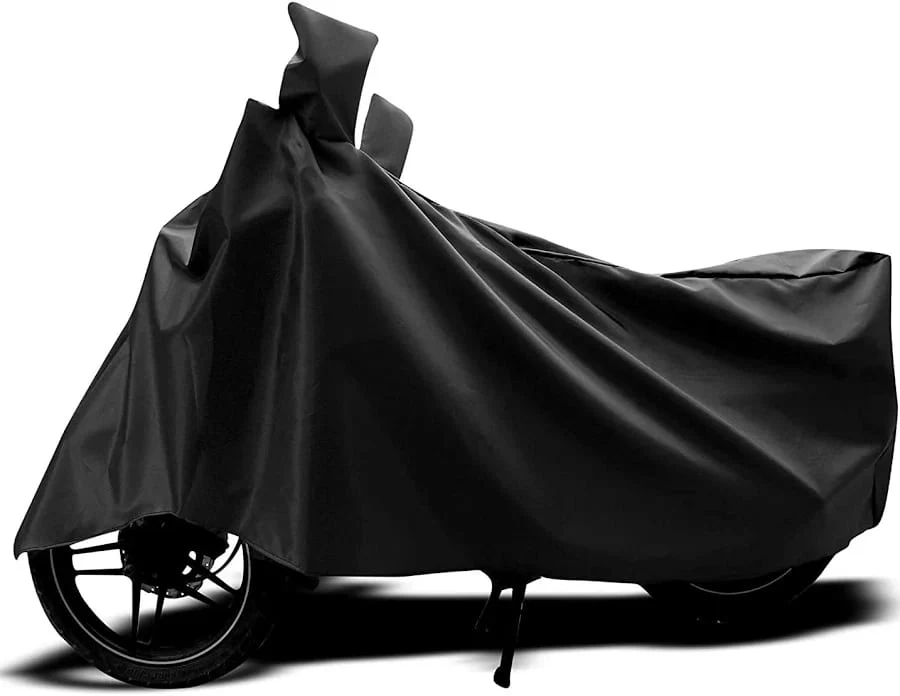
"Waterproof" and "dust-proof" are not the same thing
A lot of budget bike covers are marketed as all-purpose, but the fabric that blocks dust well (tightly woven, breathable) often isn't fully waterproof, and fabric that's fully waterproof (PVC/PU coated) can trap heat and moisture underneath if it isn't breathable.
The better covers use a layered construction — a water-resistant outer layer plus a breathable inner layer — to get both properties without the trade-off.
What to prioritise based on how you park
- Parked outdoors in direct sun most of the day: prioritise UV-resistant coating to prevent the seat and plastics from fading and cracking.
- Parked outdoors during monsoon: prioritise a sealed, multi-layer waterproof construction with an elastic hem to prevent wind-driven rain getting underneath.
- Parked near construction or unpaved roads: prioritise a tightly woven dust-proof outer layer and a soft inner lining to avoid scratching the tank and panels.
Fit matters for bikes too
A bike cover that's too loose flaps against the tank and exhaust in wind, which can scratch paint or, near a hot exhaust, even scorch cheap fabric. Covers cut for your specific bike model (rather than a generic "fits all cruisers" size) sit tighter and avoid this.